
Feed mill silo
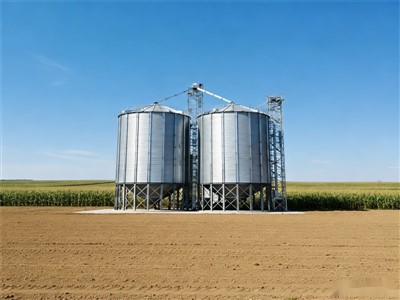
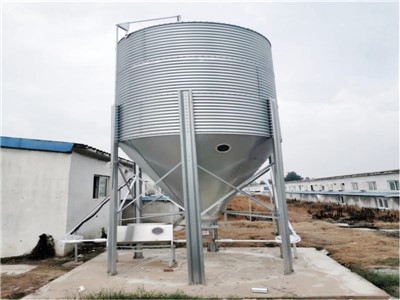
Feed mill silos are core vertical storage facilities for feed mills, they're used for bulk, sealed, automated storage of raw materials, semi-finished products and finished feeds. These vertical sealed structures-mostly cylindrical or square-hold corn, soybean meal, grains, compound feeds in large volumes. They let production keep going without interruption, make feed supply stable, and cut down on material losses. Main functions: quality preservation, loss reduction, faster stock turnover.
Application Classification
Raw Material Silo
Stores bulk raw materials like corn, wheat, soybean meal. Capacities can range from hundreds to tens of thousands of tons-varies a lot based on how big the mill is. No fixed standard here, just need match the production scale.
Batching Silo
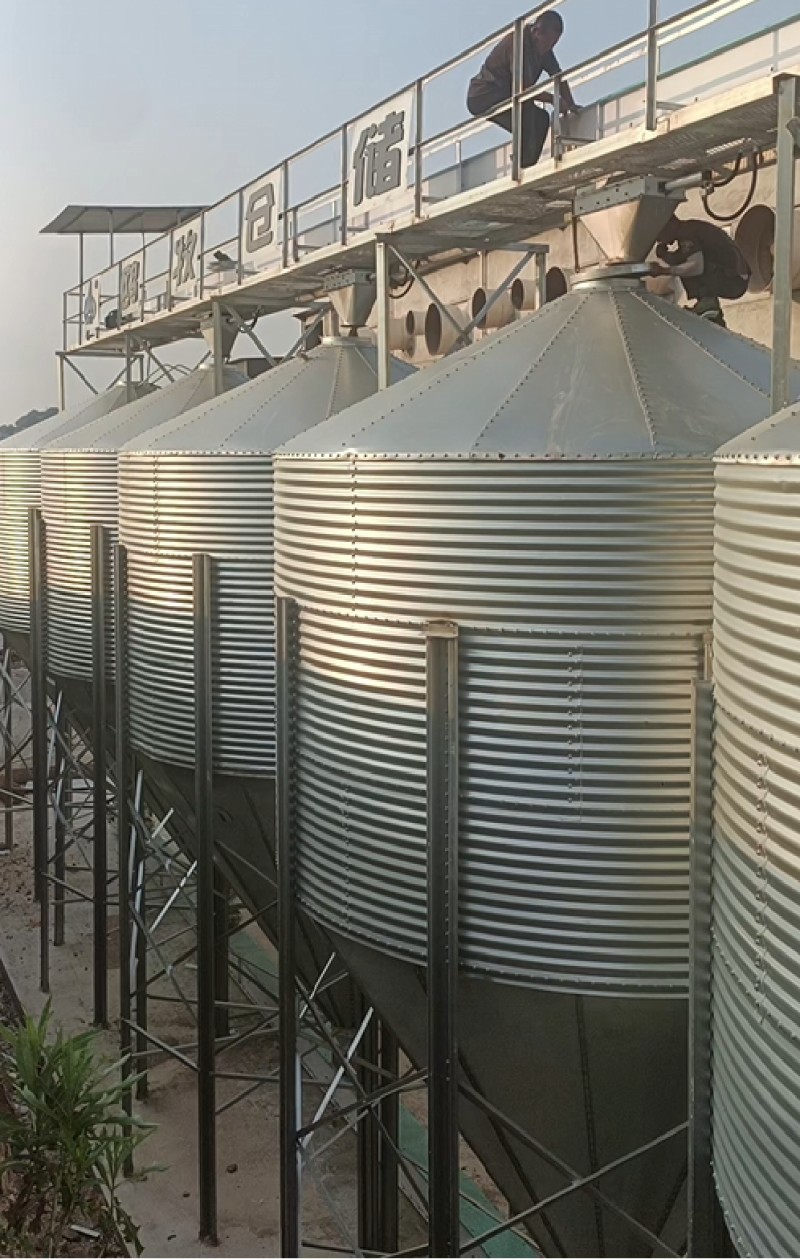
Small-capacity silos set up inside workshops. They hold different raw materials temporarily according to formulas, for accurate batching. Must be placed close to the mixing equipment, otherwise it'll slow down the production speed real bad.
Finished Product Silo
Holds processed compound feeds or pellets. These feeds wait here for packaging, or can be loaded directly onto trucks for delivery. Usually connect to the packaging line, that makes the whole process smoother.
Based on Shape
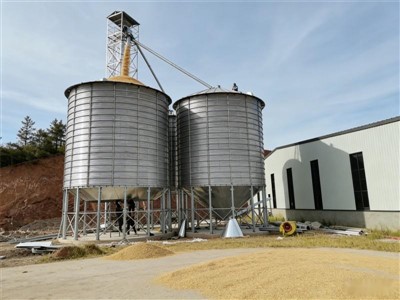
Circular Silos (Most Commonly Used): Stress distributes evenly, no dead corners, material flows well. Not easy to have material piling up or getting moldy. Great for large-volume storage, can be placed independently. The only downside is that it takes up a bit more space compared to square ones when you arrange them in groups.
Square/Rectangular Silos: Space utilization is really high, can be built in rows with shared walls-saves a lot of floor area. Perfect for dense batching or finished product storage inside workshops, but materials do tend to pile at the corners sometimes. You need regular cleaning, if not, spoilage will happen for sure.
Core Functions and Advantages
Quality Preservation and Damage Prevention: Sealed, moisture-proof, with temperature and humidity control. Also keeps insects and rodents out. This can cut down mold and spoilage a lot-critical for feed quality, especially in those humid areas.
Space Saving: Vertical storage design, unit floor space efficiency is 4–6 times that of room-type silos. Super useful for mills that have limited land for expansion, you know, land is expensive these days.
Cost Reduction and Efficiency Improvement: Less labor needed, packaging and handling costs go down too. Also, makes centralized management and quality traceability much easier-helps mills run more smoothly and meet those regulatory requirements.
Typical Specifications and Selection Considerations
Capacity: Small batching silos: a few tons to tens of tons. Raw material/finished product silos: 50 tons up to 15,000 tons. Can be customized if needed, but customization will take longer to deliver, sometimes even weeks more.
Selection Notes:
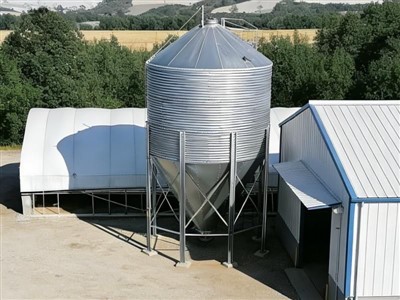
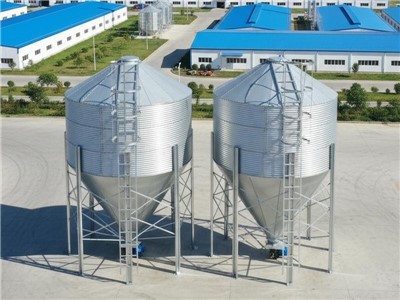
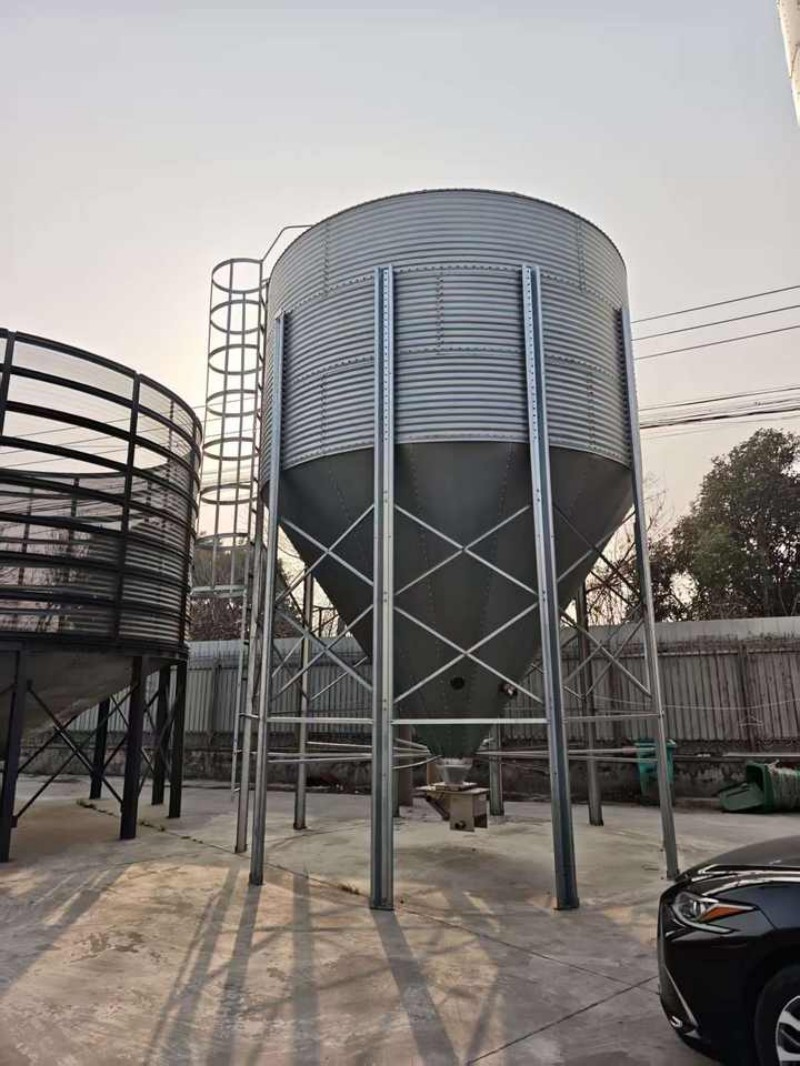
Raw material/finished product storage: Better to pick round galvanized steel conical bottom silos. Good self-flow, low maintenance-saves a lot of trouble in long-term use, no need fix them every now and then.
In-workshop batching: Go for square steel silos. Can arrange them closely, high space utilization. Easy to integrate with the existing production line, no need big renovation.
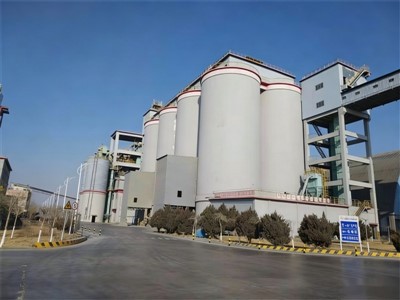
Long-term storage/ultra-large capacity: Insulated steel silos are the way to go. They keep the inside temperature stable, which is good for preserving materials over a long period, even months.
Application Scenarios
Large-scale feed processing plants (for raw material and finished product storage)
Centralized feed supply centers that serve livestock farming groups
Integrated bases for grain transshipment and feed processing-these bases usually need silos with big capacities and good insulation, otherwise the grains will go bad during transshipment
Hot Tags: feed mill silo, China feed mill silo manufacturers, suppliers, factory